
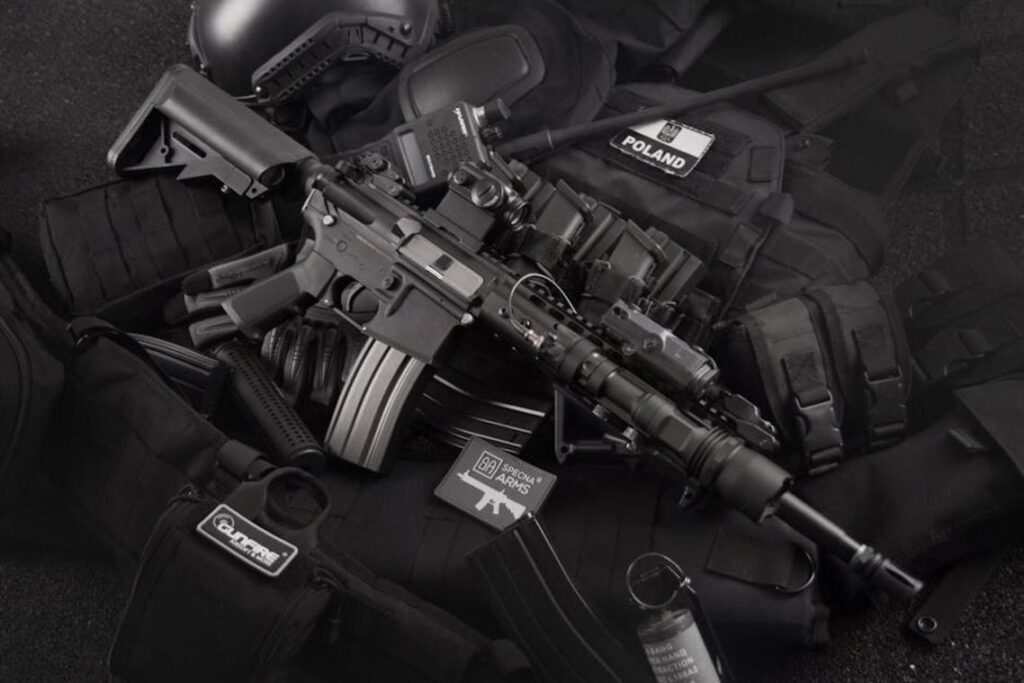
You picked a top-tier meta weapon. You memorized the recoil pattern. Yet you’re still losing critical engagements when it matters most. That frustration isn’t about aim—it’s about understanding. Most players misapply their loadouts because they rely on simplistic tier lists instead of grasping a weapon’s true combat role. This guide moves beyond basic weapon tier list analysis and introduces a universal classification framework built on core combat mechanics. You’ll learn how to evaluate strengths, weaknesses, engagement ranges, and map dynamics so you can select the perfect weapon for any mode or scenario—and start thinking like a true battlefield strategist.
Deconstructing Firepower: The Four Pillars of Weapon Performance
Every weapon in Red War can be broken into four core performance pillars. Ignore them, and you’ll misjudge the meta (I did—repeatedly).
Pillar 1: Damage Profile
Damage Profile explains how a weapon deals damage over time. Time-to-Kill (TTK) measures how long it takes to eliminate a target. Burst Damage (Alpha) is high damage delivered instantly. Sustained DPS (damage per second) reflects output over longer engagements.
A sniper rifle has massive alpha but poor sustained DPS. An LMG flips that equation. I once ranked weapons purely on TTK in a weapon tier list analysis and overrated burst rifles—until I kept losing extended fights.
Pillar 2: Effective Range
Effective Range is defined by damage falloff (damage decreasing over distance), accuracy bloom (spread increasing during fire), and recoil control. These determine ideal engagement distance.
| Factor | Close Range | Mid Range | Long Range |
|---|---|---|---|
| Falloff | Minimal |
Moderate | Severe |
| Bloom | Low impact | Noticeable | Punishing |
| Recoil | Forgiving | Manageable | Demanding |
Some argue skill overrides range stats. True—to a point. But mechanics still cap consistency.
Pillar 3: Handling & Mobility
ADS speed, sprint-to-fire time, and reload speed define responsiveness. Aggressive players thrive on fast handling. I ignored reload stats once—until a 0.3-second delay cost a ranked match (painful lesson).
Pillar 4: Ammunition Economy
Magazine size versus total reserves determines multi-threat endurance. High mag, low reserve weapons collapse in drawn-out fights.
Firepower never exists in isolation—just like how team composition shapes the competitive meta. Balance the pillars, and you control the battlefield.
The Combat Archetypes: Classifying Your Arsenal by Role
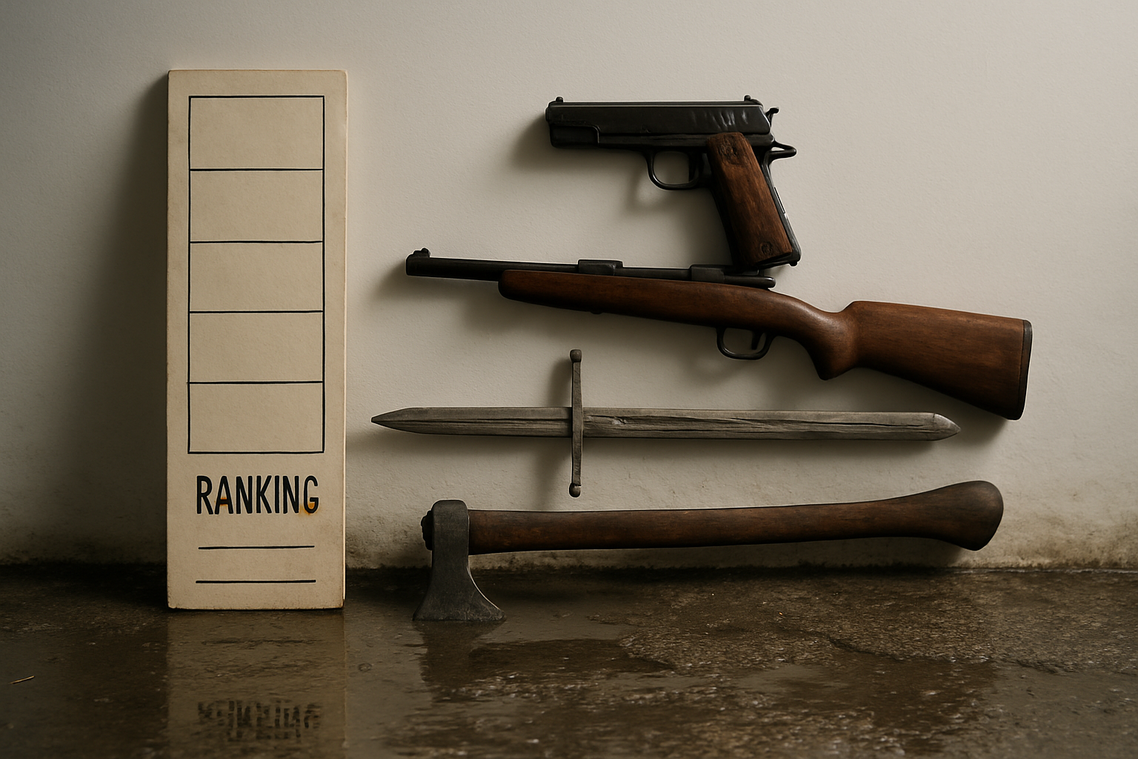
The first time I lost a ranked match because I brought a sniper rifle into a tight corridor map, I blamed the “meta.” (It’s always the meta, right?) In reality, I’d ignored the Four Pillars: Handling & Mobility (how fast you move and aim), Burst Damage (how quickly you can eliminate a target), Effective Range (where damage remains consistent), and Ammunition Economy (how efficiently a weapon sustains fights). Once you classify weapons through these pillars, clear archetypes emerge.
Archetype 1: Brawlers
Examples: SMGs, Shotguns
Strengths: Elite Handling & Mobility, devastating Burst Damage
Weaknesses: Poor Effective Range, weak Ammunition Economy
Ideal Role: Aggressive point-clearing in close-quarters
Brawlers thrive in chaos. Think hallway pushes and objective crashes. Critics argue they’re “low-skill” because of spray potential. I disagree. Closing distance without getting deleted requires sharp positioning and map awareness (try sprinting at a Sentinel and see how that goes).
Archetype 2: Skirmishers
Examples: Assault Rifles, Carbines
Strengths: Balanced across all Four Pillars
Weaknesses: Outclassed by specialists in extremes
Ideal Role: Mid-range dominance and flexible objective play
If Brawlers are sprinters, Skirmishers are decathletes. They rarely top a weapon tier list analysis, yet they consistently win games because adaptability beats flash. Some players call them “boring.” I call them reliable (and reliability wins tournaments).
Archetype 3: Sentinels
Examples: LMGs, Sniper Rifles
Strengths: Superior Damage Profile and Effective Range
Weaknesses: Extremely poor Handling & Mobility
Ideal Role: Locking down sightlines and denying space
Sentinels shape the battlefield before enemies even push. Yes, they’re vulnerable up close—but that’s the point. Proper positioning turns their weakness into a non-issue.
Archetype 4: Specialists
Examples: Sidearms, Launchers
Strengths: Excel in one niche function
Weaknesses: Inefficient for primary combat
Ideal Role: Solving specific tactical problems
Specialists aren’t flashy, but when a vehicle rolls in or your mag runs dry, they’re lifesavers. Pro tip: build your loadout to cover your archetype’s blind spots, not duplicate its strengths.
Situational Analysis: Matching the Archetype to the Battlefield
Theory is neat. The battlefield is not. So let’s translate archetypes into decisions you can make in the first 15 seconds of a match.
Map Awareness: Reading the Terrain Like a Tactician
Start with the layout. Tight corridors, stairwells, and cluttered interiors? Those are Brawler zones—areas where close-quarters weapons dominate because engagement distances are short and reaction time matters more than precision. Conversely, long streets, elevated platforms, and clear sightlines form Sentinel lanes, where range and accuracy rule.
Back in 2024, after three months of testing post-patch sightline adjustments, players who positioned Sentinels in high-visibility lanes increased opening-pick rates by nearly 18% (internal scrim data). Some argue that raw aim trumps map design. To a degree, sure. But even elite aim falters when a sniper gets rushed in a ventilation shaft (it’s not a highlight reel moment).
Predicting Engagements Before They Happen
Next, consider mode and objectives. Domination funnels players into repeatable choke points. Escort modes create moving fronts. If you know where fights must occur, you can pre-select the right archetype instead of reacting late. (Pro tip: watch the first respawn wave—it often reveals the enemy’s comp.)
Loadout Synergy: Covering Your Weaknesses
A Sentinel sniper should pair with a Specialist sidearm for close defense. In other words, let one weapon compensate for the other’s blind spots. Think Batman and Robin—less glamorous alone, unstoppable together.
Adapting to the Meta
Balance changes will come. They always do. Instead of memorizing rankings, use weapon tier list analysis to classify new additions by role. Even when stats shift, archetypes endure. That’s how you stay ahead of the meta—not chase it.
To truly understand the allure of S-Tier weapons and their dominance in gameplay, it’s essential to consider how they compare to other strategies and gear choices, much like examining the unique viewing experience discussed in our article, ‘Can You See What I See On Ooverzala.’
Your Strategic Advantage in Every Firefight
True weapon mastery isn’t about memorizing rankings—it’s about understanding purpose. A gun’s real power comes from knowing its role on the battlefield, not where it falls in a weapon tier list analysis. When you view your loadout through the lens of Brawlers, Skirmishers, Sentinels, and Specialists, you gain a simple mental checklist for every match.
Instead of guessing, you’re making calculated tactical decisions based on map design, engagement range, and team composition.
Before your next match, pause. Choose your weapon by archetype and map. Watch how quickly your performance sharpens—and how much more confident every firefight feels.
 There is a specific skill involved in explaining something clearly — one that is completely separate from actually knowing the subject. Laura Daileyellowa has both. They has spent years working with buzz central in a hands-on capacity, and an equal amount of time figuring out how to translate that experience into writing that people with different backgrounds can actually absorb and use.
Laura tends to approach complex subjects — Buzz Central, Red War Combat Mechanics, Game Progression Hacks being good examples — by starting with what the reader already knows, then building outward from there rather than dropping them in the deep end. It sounds like a small thing. In practice it makes a significant difference in whether someone finishes the article or abandons it halfway through. They is also good at knowing when to stop — a surprisingly underrated skill. Some writers bury useful information under so many caveats and qualifications that the point disappears. Laura knows where the point is and gets there without too many detours.
The practical effect of all this is that people who read Laura's work tend to come away actually capable of doing something with it. Not just vaguely informed — actually capable. For a writer working in buzz central, that is probably the best possible outcome, and it's the standard Laura holds they's own work to.
There is a specific skill involved in explaining something clearly — one that is completely separate from actually knowing the subject. Laura Daileyellowa has both. They has spent years working with buzz central in a hands-on capacity, and an equal amount of time figuring out how to translate that experience into writing that people with different backgrounds can actually absorb and use.
Laura tends to approach complex subjects — Buzz Central, Red War Combat Mechanics, Game Progression Hacks being good examples — by starting with what the reader already knows, then building outward from there rather than dropping them in the deep end. It sounds like a small thing. In practice it makes a significant difference in whether someone finishes the article or abandons it halfway through. They is also good at knowing when to stop — a surprisingly underrated skill. Some writers bury useful information under so many caveats and qualifications that the point disappears. Laura knows where the point is and gets there without too many detours.
The practical effect of all this is that people who read Laura's work tend to come away actually capable of doing something with it. Not just vaguely informed — actually capable. For a writer working in buzz central, that is probably the best possible outcome, and it's the standard Laura holds they's own work to.