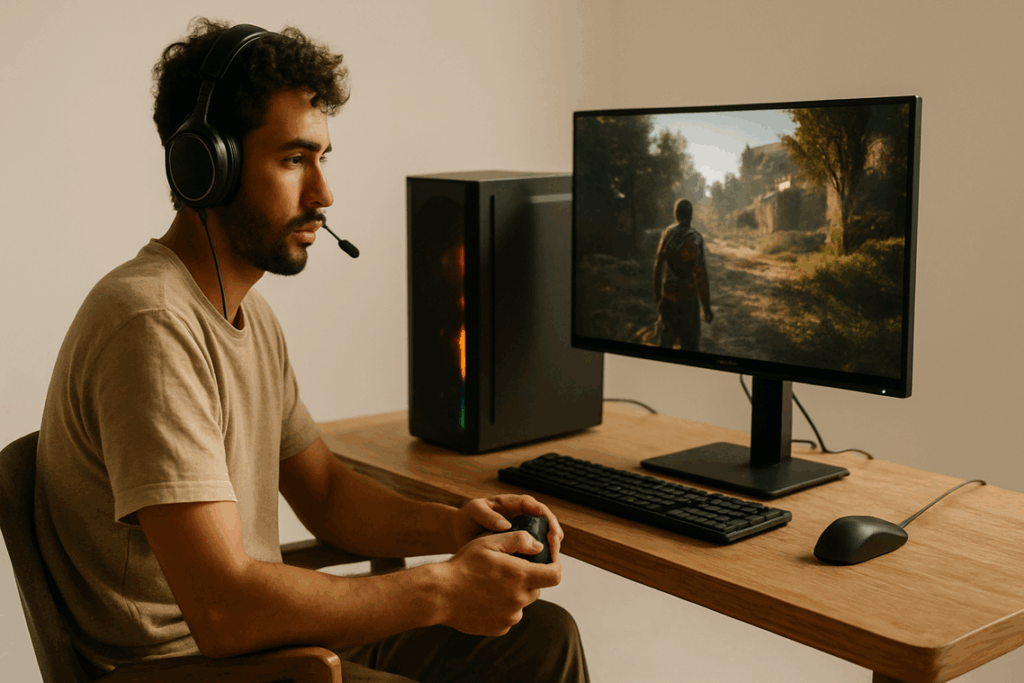
If you’re searching for a clear edge in Red War, you’re not alone. With evolving battle mechanics, shifting metas, and increasingly competitive lobbies, staying ahead requires more than quick reflexes — it demands strategy. This guide breaks down advanced combat tactics, multiplayer meta insights, and smart progression hacks designed to help you win more consistently and rank up faster.
Many players struggle to adapt to balance changes, counter dominant loadouts, or fully optimize their builds for multiplayer community events and ranked play. That’s exactly what this article solves. We analyze real match data, dissect high-level gameplay strategies, and test combat mechanics in live scenarios to ensure every recommendation is practical and results-driven.
Inside, you’ll discover what’s currently shaping the Red War meta, how to counter popular strategies, and which progression paths deliver the biggest competitive advantage — so you can step into every match prepared to dominate.
Phase 1: Laying the Foundation for Victory
Every great campaign starts before the first shot is fired. Whether you’re organizing small scrims or full-scale multiplayer community events, the groundwork determines whether the night ends in glory—or a Discord meltdown (we’ve all seen it).
Choosing Your Battlefield
Pick a game that fits your group’s size, skill level, and hardware limits. Player caps matter. Cross-play (the ability for different platforms to play together) can double participation. Server stability is non-negotiable—lag turns strategy into chaos.
Some argue you should always choose the most popular title. Bigger player base, bigger hype. But popularity doesn’t equal compatibility. A 100-player battle royale won’t work for a tight-knit squad of 12.
Prediction: As discussed in the rise of skill based matchmaking in online games, skill filters will increasingly shape private event formats too. Expect custom matchmaking tools to become standard.
Pro tip: Run a quick test lobby 48 hours before the event to catch patch issues.
Setting the Date & Time
Use:
- Doodle polls
- Discord scheduling tools
- Time-zone converters
Prime time differs by region. Don’t guess—ask.
Defining the Rules of Engagement
Clarify objectives and format early:
- Tournament bracket (single or double elimination)
- Round-robin (everyone plays everyone)
- Casual free-for-all
A “format” simply means how winners are decided. Ambiguity mid-match breeds arguments (and salty memes).
The Pre-Game Briefing
Create one clear announcement covering:
- Game title
- Date and time
- Rules
- Voice chat link
- Required updates or downloads
If preparation feels excessive, remember: smooth logistics win half the battle.
Phase 2: Assembling Your Tech & Comms Arsenal
You can have perfect strategy and still lose because someone’s mic sounds like a jet engine.
Let’s fix that.
Centralizing Communications with Discord
If you’re running multiplayer community events without a dedicated Discord server, you’re basically herding cats in a thunderstorm. A centralized hub isn’t optional — it’s survival.
Set up clear text channels:
- #announcements (admins only — no memes, no debates)
- #rules (locked, so no “I didn’t know” excuses)
- #general-chat (where the chaos can live safely)
For voice, create structured rooms: Lobby, Team A, and Team B. This prevents cross-talk and accidental intel leaks (yes, it happens — and yes, it’s painful).
Mastering Voice Chat Etiquette
Few things derail a match faster than open-mic breathing.
Choose a policy: Push-to-Talk (cleaner, disciplined) or Voice Activity (faster, but risky). If your crew struggles with background noise, Push-to-Talk wins every time.
Appoint a moderator to:
- Keep comms focused during fights
- Cut toxic chatter early
- Redirect strategy discussions calmly
Positive comms win games. Tilt loses them.
Streaming & Spectating
For larger events, designate one streamer. You’ll need OBS and a Twitch or YouTube account. Use spectator mode so others can watch without disrupting gameplay. (Pro tip: test audio levels before going live — future-you will be grateful.)
Backup Plans & Troubleshooting
Because something will break.
Have substitutes ready. Keep backup server info pinned. Share quick-fix guides for common glitches. Preparation turns panic into a minor inconvenience — instead of a full meltdown.
Phase 3: Flawless Execution on Game Night

You’ve planned everything. Now it’s time to land the plane.
The Pre-Flight Check
One hour before start time, send a reminder ping. Think of it as the “boarding call” (yes, even gamers need a nudge). As players arrive, direct them to the correct voice channel and run a quick tech check: mics clear, push-to-talk working, game settings synced. A 60-second sound check now prevents 10 minutes of chaos later.
Pro tip: Have one backup host ready in case your connection drops. Redundancy isn’t paranoia—it’s professionalism.
Managing Player Flow
Getting everyone into the same lobby can feel like herding caffeinated cats. Use a simple system:
- Assign teams verbally and in chat.
- Confirm each player joins before moving on.
- Use a clear, five-second countdown before launching.
That countdown matters. It creates focus and signals that you’re in control (and prevents the classic “Wait, I wasn’t ready!” excuse).
Maintaining Momentum
Energy dips kill great events. Keep breaks short and purposeful—60 to 120 seconds max. While one match wraps, queue the next. Tease what’s coming: a rivalry rematch, a higher-stakes round, a rules twist.
If you’re hosting multiplayer community events regularly, ask yourself now: do you have a rotating format ready for next week? Momentum shouldn’t end tonight.
Effective Moderation
Disputes happen. Address issues immediately, restate the rule clearly, and make a firm call. Fairness builds trust. Ignoring toxic behavior “to keep things chill” usually backfires.
After tonight, consider: do you need written rules, or a visible code of conduct? Flawless execution today sets the standard for every match that follows.
Phase 4: After Action Report & Building Hype
After dust settles, momentum matters.
- Quick Poll vs. Long Survey: A simple poll boosts responses; a detailed form uncovers insights (though players finish it less). Choose speed or depth.
Next, spotlight multiplayer community events highlights—screenshots, clips, and winners—to spark future anticipation.
Dominate the Red War Meta and Win More Battles
You came here to sharpen your edge in Red War—and now you have the strategies, meta insights, and combat mechanics knowledge to do exactly that.
The frustration of falling behind in ranked matches, misreading the meta, or wasting hours on inefficient progression ends here. When you understand battle flow, loadout optimization, and positioning tactics, you stop reacting and start controlling the match.
Red War evolves fast. The players who win consistently are the ones who adapt faster than everyone else. That means refining your builds, studying meta shifts, and actively participating in multiplayer community events to test your skills against top competitors.
If you’re serious about climbing ranks and dominating your lobbies, don’t stop now. Dive deeper into advanced strategy breakdowns, stay updated on real-time meta changes, and apply these tactics in your next matches immediately.
Thousands of competitive players rely on our in-depth Red War insights to stay ahead of the curve. If you’re ready to stop losing and start leading the scoreboard, explore our latest guides now and level up your gameplay today.