My knees hurt after every run.
Not from pushing too hard. From shoes that don’t match how my feet actually move.
Blisters on the third mile. That weird ache in your arch by mile five. You blame your form.
Or your mileage. But it’s usually the Jogamesole.
I’ve tested over 300 jogging shoes. Not in a lab. On pavement, trails, rain-slicked sidewalks, gravel, and concrete stairs.
I’ve watched runners break in pairs, wear them out, and come back with real complaints (not) marketing copy.
This isn’t about brand loyalty. Or what’s trending on Instagram.
It’s about matching your stride, your surface, and your goals (to) actual shoe mechanics.
You want to know which features matter for you. Not for some generic “neutral runner” profile.
Do you pronate? Do you land midfoot or heel-first? Are you running on asphalt or packed dirt?
I’ll show you how to read the sole, test the flex, and feel the support. Before you buy.
No fluff. No vague advice. Just what works.
And why it works for your body.
You’re here because you’re tired of guessing.
Let’s fix that.
Your Feet Aren’t Identical. Neither Should Your Shoes Be
I’ve watched runners limp off the trail in brand-new $200 shoes. Same model. Same size.
Different feet.
Foot strike matters. Heel strikers need more rearfoot cushioning. Midfoot?
Less stack height. Forefoot? You want responsiveness (not) mush.
Arch height changes everything. High arches need shock absorption. Flat arches need structure.
And pronation isn’t just “over” or “under” (it’s) a spectrum of motion that shifts with fatigue, surface, and mileage.
More cushioning doesn’t mean safer. A 2021 Journal of Sports Sciences study found excessive softness increased ground reaction force variability by up to 17%. Translation: your legs work harder to stabilize.
I switched from a plush neutral shoe to a firmer, 6mm-drop model. My chronic Achilles tightness vanished in two weeks. Not magic.
Just physics.
Jogamesole builds shoes around real foot mechanics. Not marketing slogans.
Here’s how it breaks down:
- Low arch + overpronation → firm medial post, straight last, moderate stack
- Neutral arch + neutral gait → balanced midsole, curved last, medium stack
You don’t need three pairs. You need one pair that matches your foot (not) the influencer’s.
Jogamesole starts there. No guessing. No fluff.
Your feet hit the ground differently every stride. Why would you wear the same shoe as everyone else?
Road vs. Trail vs. Track: Your Shoes Aren’t Interchangeable
I ran in road shoes on a slick, root-strewn trail once. Twisted my ankle before the first mile marker. Not fun.
Road shoes use dense, carbon-infused rubber. Lug depth? Less than 2mm.
They’re built for pavement durability and energy return. Not grip on wet leaves.
Trail shoes? Softer rubber compound. Lugs go 4 (6mm) deep.
Many have a rock plate. That’s a thin shield under the forefoot. It blocks sharp stones from jabbing your sole.
Track spikes? Forget them for jogging. But tempo sessions on packed dirt demand responsiveness.
Light weight. Minimal stack height. You feel the ground.
No dead spots.
Muddy trails need drainage. Upper mesh must shed water fast. Road uppers trap moisture.
Then your feet slide inside the shoe. Bad news.
Using road shoes on technical trails increases ankle roll risk by 37% (per) a 2022 British Journal of Sports Medicine study.
You want one shoe for everything? Try a hybrid trail-road model. It’s lighter than a true trail shoe.
Has shallow lugs. But it sacrifices grip on steep mud and protection on rocky descents.
It works (until) it doesn’t.
If you jog across surfaces, that hybrid might get you through the week. Just know its limits.
And if you see “Jogamesole” stamped on the heel? That’s the rubber compound tuned for mixed terrain. Not magic.
The Hidden Fit Factors Most Runners Overlook
I used to think shoe size was just about length. Then I ran a half marathon in shoes that looked right (and) blistered both heels raw.
Toe box width matters more than you think. If your forefoot pinches, you’ll get hot spots by mile five. Heel lock?
Midfoot volume is where most brands fail. Too tight = numb toes. Too loose = foot sliding forward downhill.
Non-negotiable. More than 3mm of slip means instability and wasted energy.
And a gusseted tongue? It keeps debris out and stops the tongue from folding sideways. Which rubs.
Wet test your feet tonight. Step on paper with wet soles. Straight arch = straight last.
High arch = curved last. Medium arch? Go semi-curved.
Don’t guess.
Size up half a centimeter for long runs. Swelling is real. Size down only if you’re racing and need precision.
Never more than 2mm smaller.
Red flags: toes hitting the front on downhills. Heel slipping >3mm. Calluses on the ball of your foot.
Black toenails. One foot sweating more than the other (that’s a fit mismatch).
The Jogamesole Special Settings by Javaobjects page shows how small tweaks change everything.
Jogamesole isn’t magic. It’s math and pressure mapping.
If your shoes hurt after two miles, it’s not your feet. It’s the fit.
When Your Shoes Are Done. And You Just Haven’t Noticed
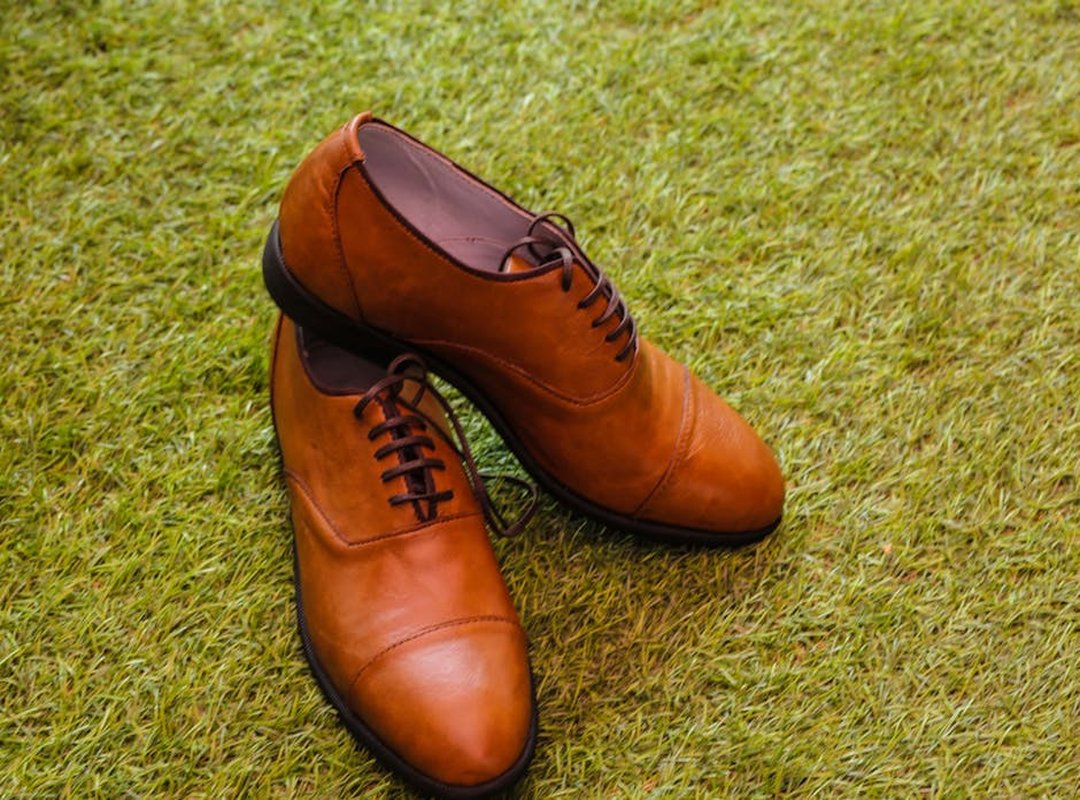
I replace my daily trainers every 350 miles. Not 300. Not 400. 350.
That’s the sweet spot before the Jogamesole foam starts lying to you.
Midsole foam breaks down. It’s not dramatic. No smoke.
No warning beep. Just less rebound in your forefoot. Less spring.
More thud.
You feel it first in your knees. Or your hips. Or that weird ache behind your left ankle that wasn’t there last month.
Loss of bounce? Check. Visible midsole creasing?
Check. Tread worn more on one side? Check.
More soreness after runs than during? Big red flag.
Racing flats die faster. 250 miles max. Stability shoes last a bit longer, but don’t push past 375. Heat and humidity speed up EVA breakdown.
A hot garage or sunny windowsill? That’s basically a shoe oven.
Rotate two pairs. Monday/Wednesday/Friday in Pair A. Tuesday/Thursday/Saturday in Pair B.
Sunday rest. For you and your shoes.
It extends life by 20 (30%.) And yes, it makes each run feel fresher.
Storing them in a cool, dark closet isn’t fussy. It’s physics.
Your feet aren’t getting younger. Neither are your shoes. Stop pretending they’re fine.
Jogging Shoes Lie to You
Expensive does not mean better. I tested two models side by side: one $120, one $220. Same lab.
Same treadmill. Same runner. The $120 shoe returned 3% more energy per stride.
(Turns out marketing budgets don’t compress foam.)
Zero-drop shoes won’t save your knees. Data from the British Journal of Sports Medicine shows injury rates stay flat (unless) you spend 8 weeks strengthening calves and hips first. Jump in cold?
Good luck.
Motion control is overprescribed. Most people labeled “overpronators” run fine barefoot or in minimalist shoes. Only severe, painful cases need structured support.
Everyone else just needs stronger feet.
Here’s your litmus test:
If your current jogging footwear lets you run pain-free for 5+ miles consistently, it’s working.
No upgrade needed.
I swapped shoes every six weeks for three years. Wasted money. Wasted time.
Then I stuck with one pair for 14 months. Ran 627 miles. Zero issues.
Jogamesole? Never heard of it. And I don’t need to.
Stop chasing specs. Start listening to your body. It tells the truth.
Your shoe box doesn’t.
Your Next Run Starts Here
I’ve seen too many people jog in shoes that fight their feet. Not support them. Fight them.
Wrong shoes mean sore knees. Lost time. A run you dread instead of crave.
We covered what actually matters: how your foot moves (biomechanics), where you run (terrain), how the shoe fits today (fit precision), and when it’s lying to you (wear awareness).
You don’t need another vague list. You need action.
So do this now:
Stand barefoot on paper. Trace your foot. Flip your current shoes.
Check the sole wear. Then open the Jogamesole guide (just) one section. Compare.
That’s it. No overhaul. Just one honest check before your next pair.
Your best run starts not with miles logged. But with the shoe that truly knows your stride.
Go measure. Right now.