
If you’re diving into Red War, you’re likely searching for a real edge—whether that’s mastering combat movement mechanics, understanding the evolving multiplayer meta, or leveling up faster without wasting hours on trial and error. The battlefield is unforgiving, and small strategic mistakes can cost you matches, rankings, and progression momentum.
This guide is built to give you a clear advantage. We break down battle strategies step by step, analyze current multiplayer trends, and uncover progression tactics that actually work in live matches. Instead of recycled tips, you’ll find insights grounded in deep gameplay analysis, frame-by-frame mechanic breakdowns, and consistent testing across competitive scenarios.
Whether you’re aiming to dominate ranked play or simply sharpen your fundamentals, this article delivers practical, actionable knowledge designed to improve your decision-making, efficiency, and overall combat performance in Red War.
Movement is the UNSUNG weapon most Red War Arena players ignore. In Iron District scrims and Neo-Tokyo ranked ladders, aim gods still lose because their feet are stuck in concrete. Mastering combat movement mechanics means strafing off-angle, shoulder-peeking chokepoints, and resetting sightlines before a reload animation punishes you.
Some argue raw aim wins duels. Sure, in low-tier lobbies. But at Diamond MMR, predictable paths get you deleted. Smart micro-rotations create crossfire pressure and bait cooldowns.
Focus on:
- tempo shifts
- off-axis entries
Pro tip: track stamina ticks like you track ammo.
Movement isn’t retreating; it’s positioning to STRIKE FIRST.
Foundational Footwork: Mastering the Basics of Evasion
In Red War’s tight corridor firefights—think Sector V’s cargo lanes—winning isn’t just about aim. It’s about movement layered into your combat movement mechanics.
-
Strafe-Aiming vs. Static Aiming
First, let’s define strafe-aiming: using A/D keys (or your left stick) to make micro-adjustments instead of dragging your mouse for every correction. The result? Smoother tracking and a hitbox that’s never standing still. Static aiming, by contrast, plants your boots like you’re posing for a highlight reel (you’re not). Some players argue staying still improves accuracy. Technically, yes—recoil is easier to manage. However, in live matches, a moving target survives longer. Pro tip: practice rhythm strafing in 1v1 Arena queues to build muscle memory. -
The Purpose of Crouching
Next, crouching. Panicked crouch-spamming lowers your head into common spray patterns—exactly where Diamond-tier players pre-aim. Tactical crouching, though, is a single, deliberate dip timed to enemy recoil bloom. One clean crouch can make a sniper round whistle overhead (very satisfying). -
Effective Jumping
Finally, jumping. It’s great for fast peeks over refinery crates or breaking crosshair placement. On the other hand, jumps lock you into a predictable arc. Against disciplined opponents, that arc becomes a free elimination. Use it sparingly, not habitually.
Advanced Techniques: Using Geometry and Positioning as a Weapon
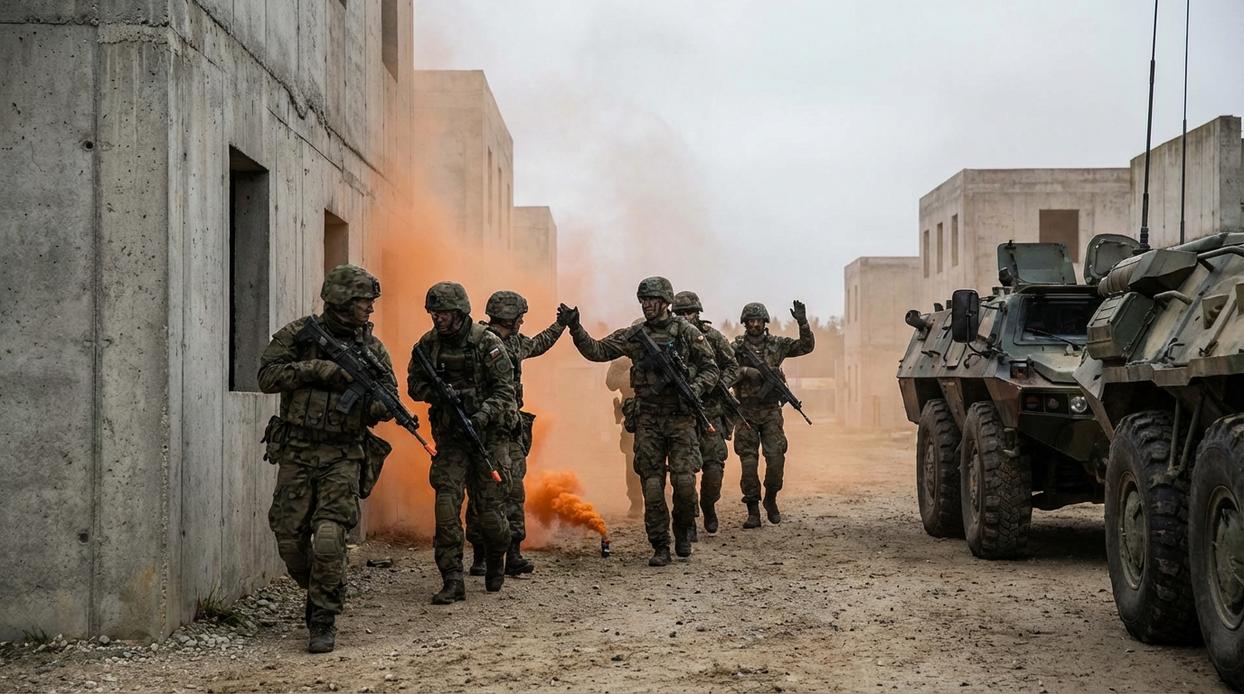
Winning fights isn’t just about aim—it’s about angles. If you want consistent victories, you need to treat geometry like a weapon.
Corner Slicing (“Slicing the Pie”)
First, stop swinging wide into 50/50 duels. Instead, slice the pie. Position yourself just outside a corner. Then, strafe slowly, clearing the angle in small increments. With each micro-adjustment, you reveal a new sliver of the room while exposing only a fraction of your hitbox.
Step-by-step:
- Hug cover tightly.
- Pre-aim at head level.
- Strafe in tiny steps.
- Pause briefly to process visual info.
- Fire only when you’ve isolated the target.
This transforms chaos into control, often shifting odds toward 90/10 in your favor. Pro tip: practice this against static objects first to build muscle memory before attempting it in ranked matches.
Jiggle-Peeking for Information
Next, gather intel without donating your health bar. Tap your movement key quickly to perform a rapid peek, then snap back behind cover. The goal isn’t to shoot—it’s to confirm enemy positioning. Think of it like sonar in a submarine movie: quick pulse, instant retreat.
Used properly within combat movement mechanics, jiggle-peeking forces opponents to reveal themselves or waste ammo. Once they fire, you control the tempo.
Playing Cover
Finally, don’t just hide—work the edge. Use right-hand peek advantage by positioning so more of your weapon shows than your body. Bait shots intentionally, then re-peek during their reload. Reset fights behind cover whenever shields or health dip (discipline wins games).
In short: slice deliberately, peek intelligently, and treat cover as an active tool—not a panic button.
Dynamic Repositioning: The Art of the Mid-Fight Rotation
Mid-fight rotation isn’t panic movement—it’s spatial control. The moment your angle stops producing pressure, you’ve lost more than damage output; you’ve lost initiative. Reading the fight means recognizing when cover is compromised, when flanks collapse, or when an opponent pre-aims your last known position. Staying put out of stubbornness (we’ve all done it) turns you into a predictable target. Repositioning restores uncertainty—and uncertainty wins duels.
Using Movement Abilities with Intent
Slides, dashes, and teleports aren’t just flashy engage tools. Their real power lies in flexibility. A forward dash can secure a knock, but a lateral dash can reset the fight entirely by shifting sightlines. Teleports shine when used to disengage behind hard cover, forcing enemies to waste cooldowns chasing a ghost. This ties directly into combat movement mechanics: every burst of mobility should either create space or compress it on your terms.
Some argue that saving mobility purely for aggression maximizes pressure. That’s partially true—tempo matters. But burning movement without an exit plan often leaves you exposed during recovery frames. If you understand how cooldown systems impact combat flow (https://beatredwar.com/how-cooldown-systems-impact-combat-flow/), you’ll see why spacing tools must serve both offense and defense.
Breaking Line of Sight
Pillars, doorframes, elevation shifts—these aren’t decorations. They’re information blockers. When you cut line of sight, you deny tracking data and force guesses. A quick sidestep behind terrain can bait shots, trigger reloads, or draw out abilities.
Pro tip: rotate diagonally, not straight back. It widens your escape angle while keeping partial cover between you and incoming fire.
Control space. Control vision. Control the fight.
Start with isolation drills. Load into an empty map and practice corner slicing until it feels automatic. Then, set up 1v1 scenarios with a friend where winning doesn’t matter; focus only on strafing, peeking, and disengaging. Next, record your matches. During VOD review, ask one question: “Did I die because of my aim, or because my movement put me in a bad position?” If it’s the latter, adjust your combat movement mechanics. Over time, deliberate reps turn chaotic fights into controlled engagements. Stay consistent, track small improvements weekly, and prioritize positioning before flashy plays every single match you play competitively.
From footwork to firepower, elite movement is the INVISIBLE engine behind winning fights. If you’re losing battles you should have won, your aim isn’t always the problem—predictability is. Opponents read patterns, pre-aim corners, and punish hesitation. Mastering combat movement mechanics means breaking those patterns.
• Practice tight strafing during reloads to stay HARD to track.
• Reposition after every elimination; never re-peek the same angle.
• Use advanced repositioning to reset engagements (think Batman vanishing mid-fight).
Pick one technique and commit to it for three matches. Build CONSISTENCY, then layer another. That’s how unpredictability becomes dominance. Stay mobile. Stay dangerous.
Dominate Your Next Red War Match
You came here to sharpen your edge and understand what actually wins fights in Red War. Now you have the breakdown—battle strategy adjustments, smarter positioning, meta-aware loadouts, and the combat movement mechanics that separate average players from true threats.
The biggest frustration in Red War isn’t losing—it’s losing because you didn’t know what to fix. Getting outplayed in tight corridors. Falling behind the meta. Wasting hours grinding without meaningful progression. That ends when you apply what you’ve learned here with precision and consistency.
Now it’s time to act. Rework your loadout around the current meta. Drill your combat movement mechanics until they’re automatic. Study your last matches and identify one tactical mistake to eliminate today. Small refinements create massive win streaks.
If you’re serious about climbing ranks and outclassing your competition, don’t stop here. Dive into more advanced breakdowns, apply the strategies immediately, and start playing with intent. The top players don’t guess—they execute. Your next match is your proving ground. Jump in and take control.