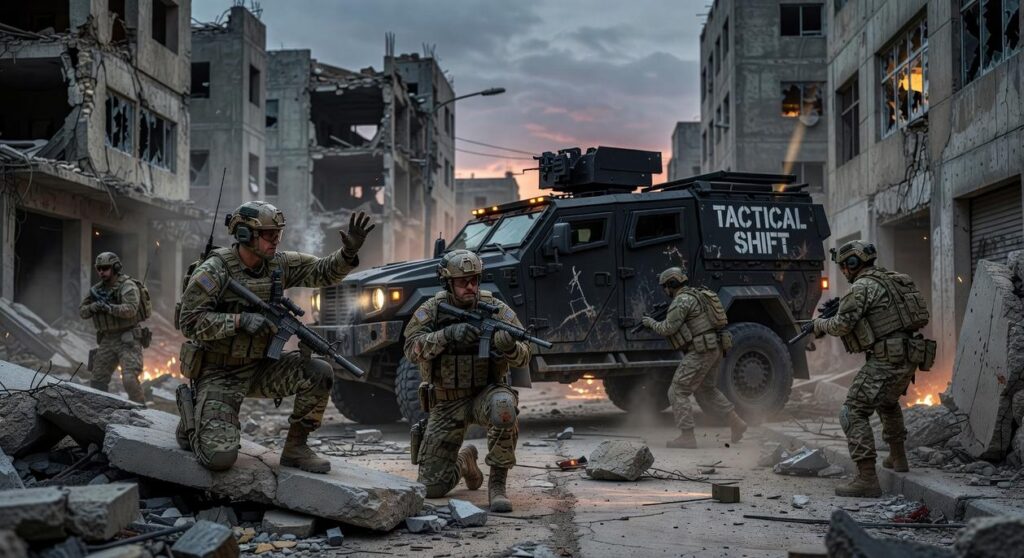
If you’re searching for ways to dominate in Red War, you’re likely looking for more than basic tips—you want clear, battle-tested strategies that actually improve your win rate. This article is built to do exactly that. We break down core combat mechanics, advanced positioning strategies, multiplayer meta shifts, and smart progression hacks so you can make sharper decisions in every match.
A major focus is mastering offense vs defense tactics—knowing when to apply pressure, when to fortify, and how to pivot instantly as the battlefield evolves. Many players lose not because of weak builds, but because they misread momentum. We’ll show you how to recognize those turning points.
Our breakdowns are rooted in deep analysis of in-game mechanics, high-level multiplayer patterns, and tested strategic frameworks that consistently perform in competitive environments. Whether you’re climbing ranked ladders or refining your squad coordination, this guide delivers practical insights you can apply immediately.
The Art of the Game: Mastering Attack and Defense
Sports, to me, have always been a chess match in motion. Physical talent wins moments; strategy wins wars. Too many athletes lean entirely on offense vs defense tactics, believing dominance in one lane is enough. I disagree. True control comes from knowing when to press and when to absorb pressure (yes, patience is a weapon).
The real gap? Integration. Teams often train skills separately instead of blending transitions. Consider championship squads that counterattack within seconds of a stop—that seamless shift is the difference.
• Study momentum swings, not just scoring plays.
Master the flow, and you become a two-way threat opponents can’t predict.
Building an Unbreakable Wall: The Foundations of Defensive Strategy
Defense isn’t just about surviving pressure—it’s about controlling the terms of engagement. When you master defensive structure, you dictate where the fight happens and who fights on your terms.
Controlling Space starts with denying high-value areas. Think zone defense in basketball: instead of chasing every player, you guard the space that matters most. Compare that to man-to-man marking in soccer, where neutralizing one elite striker can collapse an entire attack. Both approaches teach a critical lesson: control territory or control threats. The benefit? You force opponents into low-percentage plays and conserve stamina for counterstrikes.
Forcing Errors turns pressure into opportunity. A full-court press or high-press system isn’t reckless aggression—it’s calculated chaos. By compressing space and limiting time, you increase cognitive load (and mistakes follow). The upside is simple:
- More turnovers, faster momentum swings, and easier scoring windows.
This is where offense vs defense tactics intersect; pressure applied intelligently becomes offensive fuel.
Anticipation and Positioning elevate defense from reactive to predictive. Reading tendencies—like a quarterback’s favorite route—lets you intercept before the play develops. Proper positioning reduces wasted movement and maximizes efficiency. In the long run, that means fewer risks, smarter engagements, and a defense that feels nearly unbreakable.
Offensive dominance begins with mismatch creation. Elite teams hunt weak links, then force repeated confrontations. Isolate a slower defender against a speedster in space, or feed a towering forward against a smaller post guard. This is targeted pressure, not random aggression. While critics argue that constant targeting becomes predictable, the counter is variation in entry points and timing.
Dictating tempo is the second lever. A fast break, high possession attack overwhelms rotations; a slower, grinding pace drains stamina and limits transition threats. Understanding when to toggle between the two is a competitive edge most guides ignore.
Movement and deception complete the triad. Off ball cuts, misdirection screens, and overlapping runs force defenders into split second decisions. The classic pick and roll is not just a play but a shifting geometry problem. Mastering offense vs defense tactics means manipulating help angles before they form.
Pro tip: track which defender hesitates for half a beat; that is your trigger. In high level metas, superiority comes from layered actions that look chaotic but are pre scripted. Think chess at sprint speed. Exploit space, control rhythm, and weaponize movement. That is how assaults stay one step ahead. Precision turns pressure into inevitable victory consistently.
The Counter-Strike: Seamlessly Transitioning from Defense to Attack

The turnover is the most volatile second in any match. A rebound pulled down in traffic, a clean interception, a perfectly timed tackle—this is the trigger. In game theory terms, it’s a state change, when possession flips and both teams are briefly unstructured. That chaos is opportunity. The team that recognizes the shift first owns the next phase.
First-Move Advantage
The first action after a turnover determines whether you launch a counter or waste it. A sharp vertical pass, an immediate dribble into space, or a quick outlet wide forces defenders to sprint back before they can reset shape. Analysts often debate offense vs defense tactics as if they’re separate systems, but elite teams treat the transition as its own discipline. Think of how top football clubs explode forward within two touches after regaining possession—blink and it’s a goal (yes, it happens that fast).
Some argue patience is safer, that slowing down preserves structure. True—if your opponent is already organized. But data from elite competitions shows fast breaks generate higher expected scoring chances than settled attacks (FIFA Technical Reports). Hesitation is the real risk.
Drilling the Transition
Build reactive muscle memory with 3-on-2 continuous fast-break drills. Add small-sided games where a goal counts double if scored within five seconds of regaining possession. This rewards instinct over hesitation. Pair this with scenario reps inspired by reading the map strategic positioning for maximum advantage to sharpen spatial awareness.
The final piece is the mindset switch: defend with patience, attack with intent. No emotional lag. No celebration of the stop. Flip the switch immediately (pros don’t admire their steals—they weaponize them).
Grand strategy isn’t about bravado; it’s about timing. Situational awareness—the real-time read on score, clock, fatigue, and penalties—should dictate every move. Pressing hard when trailing late makes sense; pressing while up by two with exhausted players is how highlights turn into bloopers (and not the fun kind).
Calculated risks win games, but only when calculated. An all-out blitz in football or pulling the goalie in hockey are classic high-risk, high-reward plays. The math says desperation can increase scoring probability; the heart says “YOLO.” Listen to the math.
Use offense vs defense tactics in the section once exactly as it is given
Adaptation separates contenders from chaos. If Plan A stalls, shift shape, rotate fresh legs, or slow tempo:
- Protect a lead by shrinking space.
- Chase points by increasing pressure.
Pro tip: pre-plan pivots before kickoff. Strategy isn’t stubbornness; it’s chess at sprint speed. Think three moves ahead always.
Elite performance isn’t built on flashy attacks or impenetrable walls alone; it’s forged in the seamless blend of offense and defense. When you stop treating offense vs defense tactics as separate skills and start mastering the transition between them, everything changes. Suddenly, you’re dictating tempo, punishing mistakes, and recovering faster than your opponents expect. That means fewer predictable plays and more wins under pressure.
Instead of feeling stuck as a one-dimensional player, you gain adaptability, control, and confidence in every engagement. So next match, focus on one transition—turning a blocked strike into a counter—and begin building total dominance right now.
Dominate Your Next Red War Match
You came here to master the mechanics, outplay your opponents, and finally understand how to control the flow of battle. Now you know how positioning, loadouts, timing, and offense vs defense tactics separate average players from match winners.
The biggest frustration in Red War isn’t losing — it’s losing because you didn’t see the play coming. Getting flanked. Burning cooldowns at the wrong time. Watching the enemy snowball momentum while your team scrambles to recover. That stops here.
When you apply these strategies consistently, you don’t just react — you dictate. You read rotations earlier. You counter pushes with confidence. You turn small advantages into decisive wins.
If you’re serious about climbing ranks and dominating your lobbies, don’t stop here. Dive deeper into advanced breakdowns, stay updated on meta shifts, and refine your execution every match. Thousands of competitive players rely on our battle-tested insights to sharpen their edge.
Ready to win more fights and control every engagement? Start applying these strategies in your next match — and stay locked in for the latest Red War meta insights that keep you one step ahead.