
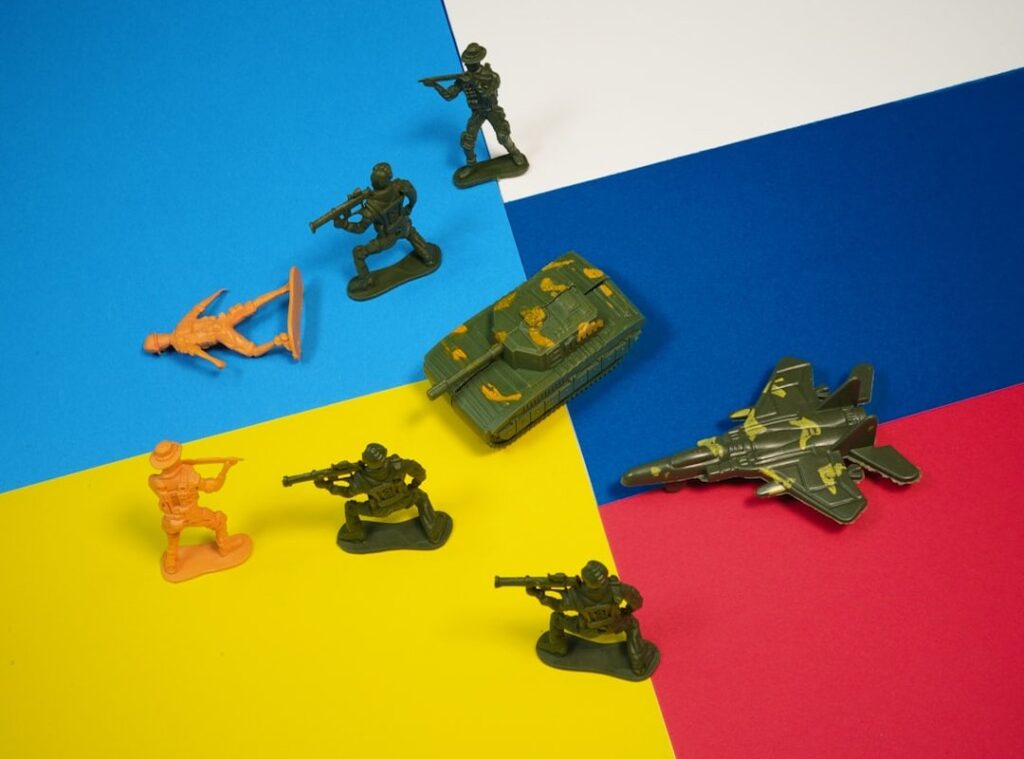
You know that feeling when you dive into a red conflict, all pumped up, and then boom (your) units are toast before you can even blink? Yeah, it’s brutal. But here’s the thing: it’s not about lacking skill.
The real issue? Not mastering the three core pillars of combat. Trust me, I’ve been there, done that, and spent countless hours dissecting beginner matches to pinpoint those key turning points.
You’re not alone. We all need a bit of guidance sometimes.
So, what’s the plan? This guide is packed with strategies red war beginners desperately need. I’m talking about tactics you can use in your next game to actually see results.
Ready for a change? Let’s make sure your next red conflict ends differently. Get ready to dominate.
What Exactly is a ‘Red Conflict’ (And Why It Feels So Tough)
Ever heard of a “red conflict”? It’s that moment in gaming where the stakes go sky-high. We’re talking all-out, decisive battles.
Think of it as the game’s way of saying, “Time to prove yourself.” But why do these fights feel so impossible, especially for new players?
Without a solid plan, you’re toast. Plan over size, folks.
First off, there’s the ‘All-In’ Fallacy. You toss all your units into the fray, hoping sheer numbers will win. Spoiler: it won’t.
Then we have the classic error of forgetting the objective. So caught up in the chaos, you lose sight of what you’re actually fighting for. Is it territory, resources, glory?
Whatever it is, focusing too much on the fight itself leads to a quick defeat.
And let’s not ignore unit mismatches. Sending a tank to do a sniper’s job? Bad idea.
It’s like playing rock-paper-scissors: plan matters more than the size of your army. You need the right tool for the job or you’ll get countered hard.
Want to dive deeper into mastering offensive tactics in these battles? Check out mastering offensive tactics red war. It’s packed with takeaways perfect for beginners.
Trust me, with the right strategies, red war beginners can turn the tide of battle.
Pro tip: Before diving in, always assess your resources and plan your moves. Red conflicts aren’t just about muscle; they’re about brains too.
The Secret Sauce: Positioning, Counters, Resources
to the secret sauce of winning battles. I’m talking about three core elements: Positioning, Counters, and Resources. Nail these, and you’re on the way to dominating the field.
But what makes these so special?
Positioning is your first weapon. The map isn’t just scenery; it’s strategic gold. Imagine controlling a choke point.
When you force the enemy into a narrow lane, they become sitting ducks. This works like magic when you’re on defense. Then there’s flanking.
Hitting from the side or behind is often a game changer. Why? Because no one expects it (and it’s downright sneaky).
Counters are your second weapon (and arguably the juiciest part). Forget about memorizing stats. What you need is a “This-Beats-That” guide.
Heavy Armor units, for example, can crush fast, small units. But they’re weak against anti-armor specialists. Think rock-paper-scissors but with way more at stake.
Artillery units? They decimate infantry but crumble under air attacks. Know who beats who, and you’re halfway to victory already.
Third, let’s talk resources. This isn’t just building units. In-combat resource management is key.
You need to master the art of trading. Ever heard of a “good trade” versus a “bad trade”? A simple rule of thumb: if you’ve lost three units and they’ve lost one, it’s time to retreat.
Don’t keep feeding them your army. It’s about keeping a balance. Sustain your resources, and you’ll be the last one standing.
For strategies red war beginners, this understanding is important. It’s not just about knowing what to do. It’s about knowing when and why.
These strategies redefine how battles unfold. And here’s a pro tip: Always adapt. The battlefield is fluid, so your game plan has to be too.
Keep these core elements in mind, and you’ll see a dramatic shift in your game. This isn’t just theory; it’s the backbone of winning. Get out there and test it for yourself.
3 Simple Battle Plans for Your Next Match
Let’s dive straight into the action. You want battle plans you can actually use, right? Well, I’ve got three for you, and they’re as simple as they are effective.
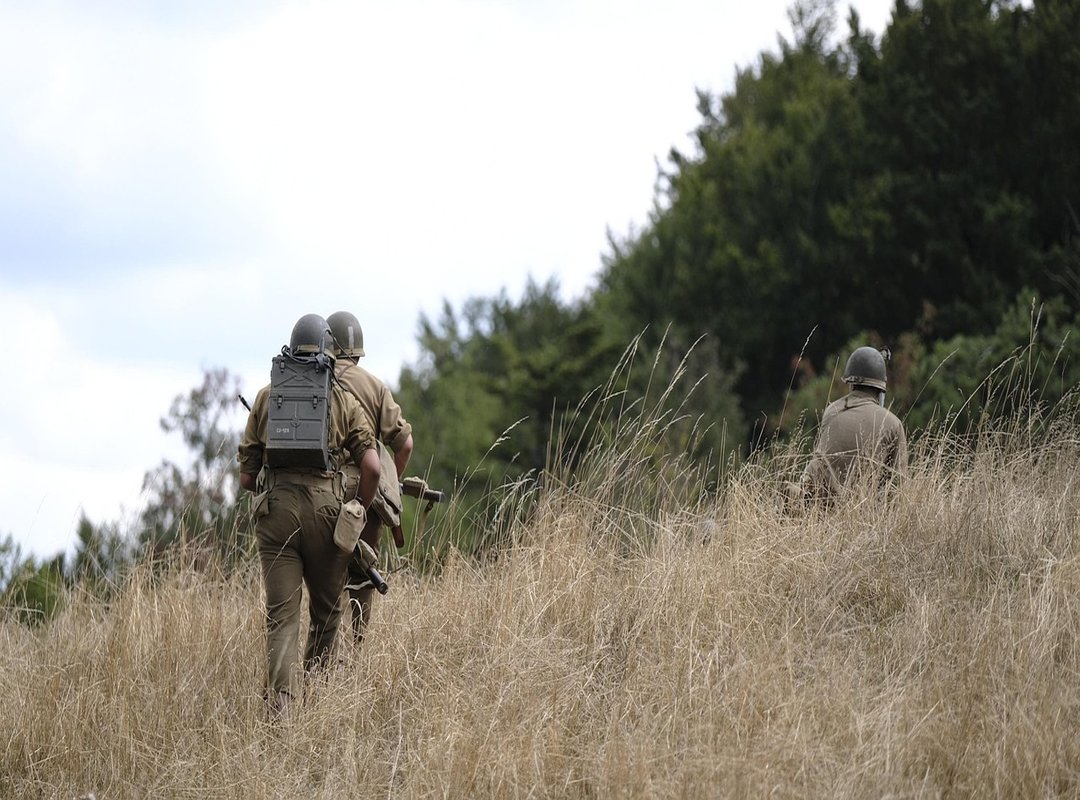
First up, the Bait and Switch. This one’s sneaky and fun. You send a tough unit forward (think of it as the decoy).
When the enemy takes the bait and focuses on it, you swoop in with your main damage dealers from the side. Picture it like a scene from an action movie where the hero outsmarts the villain. Best used when the enemy doesn’t see it coming (which is often, surprisingly).
Next, we have the Defensive Stand. Who says you need to attack to win? Identify a strong defensive position, like a choke point (you know, the narrow spots where the enemy can’t swarm you).
Set up your units and let them come to you. This tactic works wonders when the opponent thinks they can overwhelm you. Spoiler: They usually can’t.
Finally, the Objective Rush. Sometimes the goal isn’t just to defeat the enemy but to achieve the objective. Create a distraction force to keep them busy.
Then, send a fast group of units directly to the objective. It’s like capturing the flag, but with more explosions. Perfect when time is of the essence and every second counts.
These strategies are gold, especially for strategies red war beginners. But every plan has its counter. What if they see through the bait?
What if they avoid your choke point? the Coordinating Team Attacks Tactical Guide comes in handy. It’s about adapting on the fly.
Remember, the battlefield is unpredictable. But with these plans, you’ve got a playbook, not just a list of random moves. Are you ready for your next match?
Reading the Signs: When to Push Your Advantage and When
Ever found yourself wondering, “How do I know if I’m winning or losing the fight?” You’re not alone. In the heat of battle, especially for beginners in strategies red war beginners, it’s tough to tell. But trust me, there are clear signs.
Signs You’re Winning: Picture this: The enemy’s front line is breaking. You’ve taken out their most solid unit. You outnumber them two-to-one. That’s the stuff of legends, right? But hold on.
Signs It’s Time to Retreat: Things can flip fast. Your key units are being targeted and are low on health. You’re suddenly being flanked. An unexpected wave of enemy reinforcements arrives out of nowhere. It’s like the universe telling you, “Get out now!”
Here’s a truth bomb: A strategic retreat is a winning move. It’s not about giving up. It’s about saving your army for the next fight.
Ever seen a movie where the hero retreats to fight another day? That’s you. Play it smart.
Keep your eyes open. And always, always trust your gut. Because sometimes, the best move is knowing when to save your forces for tomorrow.
Master the Red Conflict
Feeling lost in those big fights? You’re not alone. But guess what?
Winning isn’t wizardry. It’s about nailing the basics. You’ve got the tools now.
Positioning, counters, and decision-making. No more feeling helpless.
The strategies red war beginners need are right here. Simple, actionable plans that smash frustration. So, what’s next?
Pick a battle plan. Dive into a match. Try it out.
See how a straightforward plan transforms your game.
Feeling skeptical? Don’t be. We’re the go-to for battle plan breakdowns.
So stop waiting. Jump in and become the red conflict champion you were meant to be.
 There is a specific skill involved in explaining something clearly — one that is completely separate from actually knowing the subject. Maria Evelandizer has both. They has spent years working with battle strategy breakdowns in a hands-on capacity, and an equal amount of time figuring out how to translate that experience into writing that people with different backgrounds can actually absorb and use.
Maria tends to approach complex subjects — Battle Strategy Breakdowns, Pro Perspectives, Multiplayer Meta Insights being good examples — by starting with what the reader already knows, then building outward from there rather than dropping them in the deep end. It sounds like a small thing. In practice it makes a significant difference in whether someone finishes the article or abandons it halfway through. They is also good at knowing when to stop — a surprisingly underrated skill. Some writers bury useful information under so many caveats and qualifications that the point disappears. Maria knows where the point is and gets there without too many detours.
The practical effect of all this is that people who read Maria's work tend to come away actually capable of doing something with it. Not just vaguely informed — actually capable. For a writer working in battle strategy breakdowns, that is probably the best possible outcome, and it's the standard Maria holds they's own work to.
There is a specific skill involved in explaining something clearly — one that is completely separate from actually knowing the subject. Maria Evelandizer has both. They has spent years working with battle strategy breakdowns in a hands-on capacity, and an equal amount of time figuring out how to translate that experience into writing that people with different backgrounds can actually absorb and use.
Maria tends to approach complex subjects — Battle Strategy Breakdowns, Pro Perspectives, Multiplayer Meta Insights being good examples — by starting with what the reader already knows, then building outward from there rather than dropping them in the deep end. It sounds like a small thing. In practice it makes a significant difference in whether someone finishes the article or abandons it halfway through. They is also good at knowing when to stop — a surprisingly underrated skill. Some writers bury useful information under so many caveats and qualifications that the point disappears. Maria knows where the point is and gets there without too many detours.
The practical effect of all this is that people who read Maria's work tend to come away actually capable of doing something with it. Not just vaguely informed — actually capable. For a writer working in battle strategy breakdowns, that is probably the best possible outcome, and it's the standard Maria holds they's own work to.